bmw extended warranty coverage choices that match how you actually drive
What it really covers
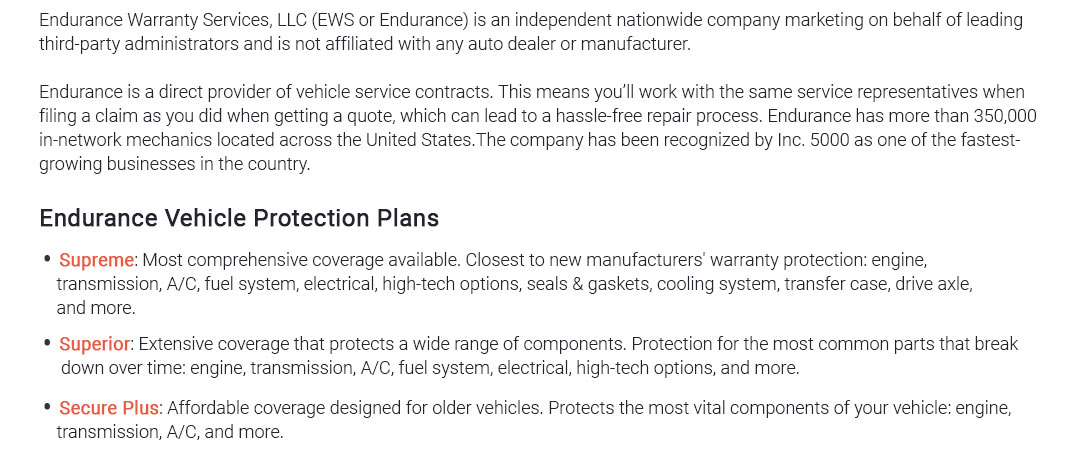
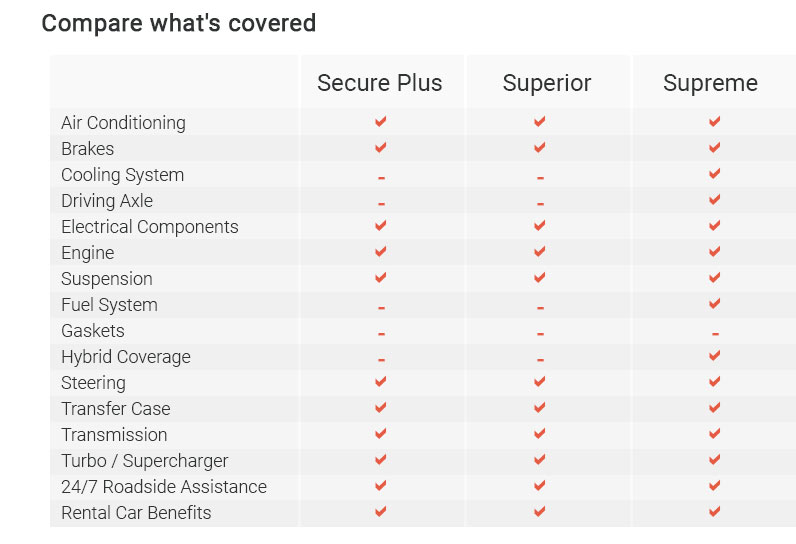
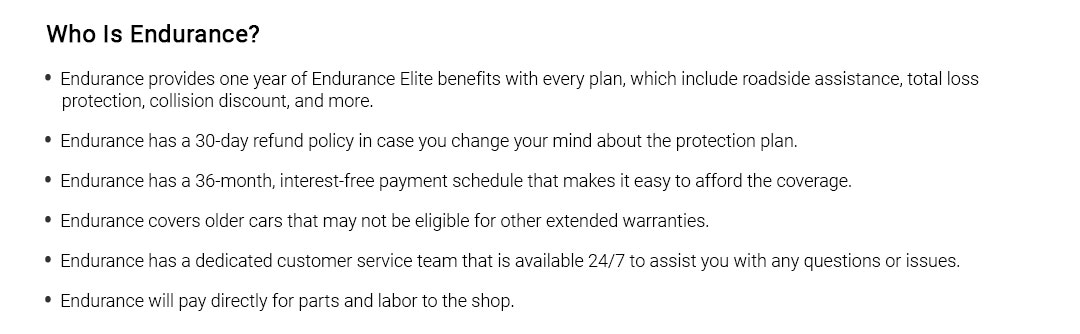
Zoom out first: bmw extended warranty coverage is about shifting pricey, low-frequency risks to a contract that fits your ownership horizon. Typical plans protect engines, transmissions, turbos, cooling systems, electronics, and driver-assist modules; wear items (brakes, tires) are usually out. You may also see roadside help, rental, and trip interruption - useful if your daily depends on the car (and yes, some exclusions read like legal Sudoku).
How to choose
- Map your horizon: miles per year, how long you'll keep the car, and whether you tolerate surprise bills.
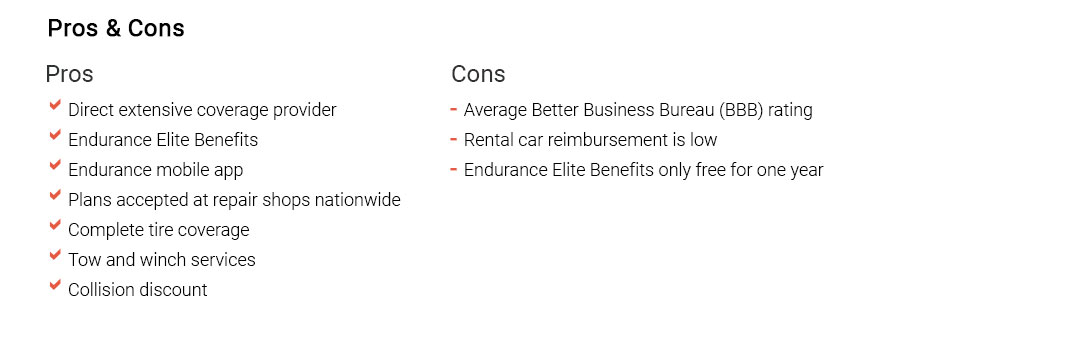
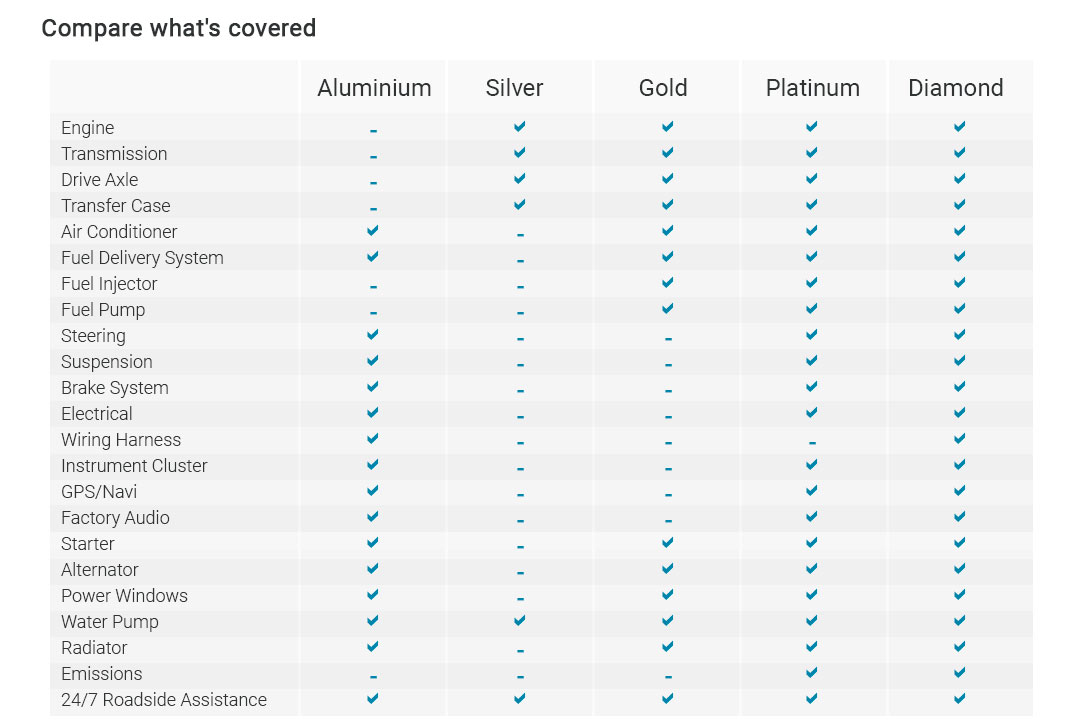
- Pick a tier: powertrain-only for essentials, mid-tier for major systems, or comprehensive for modern electronics. Factory-backed pairs well with CPO; third-party can work if claims are easy and parts are OEM-equivalent.
- Decide deductible: higher deductible lowers price; check per-visit vs per-component language.
- Confirm fit: nationwide dealer acceptance, transferability for resale, and no-surprise diagnostics coverage.
- Read exclusions: seals/gaskets, infotainment screens, and sensors can hide in fine print.
Cost sense-check
Compare plan cost to realistic repairs: a turbo wastegate, adaptive suspension damper, or an iDrive head unit can be four-figure hits. On a rainy Sunday commute, my iDrive looped and the screen died; coverage handled the replacement and a rental, and I paid the small deductible.
Match by ownership style
- High-mile commuter: broader coverage and roadside aid pay off.
- Weekend sprinter: protect drivetrain and electronics.
- Short-term holder: consider transferability; sometimes you skip.
Ask for the VIN-specific coverage matrix, a sample contract, and total cost with deductibles - then choose the plan that mirrors your real use.